


Not opinion. Not ragebait.
Detailed reporting about the most consequential cases facing U.S. democracy.
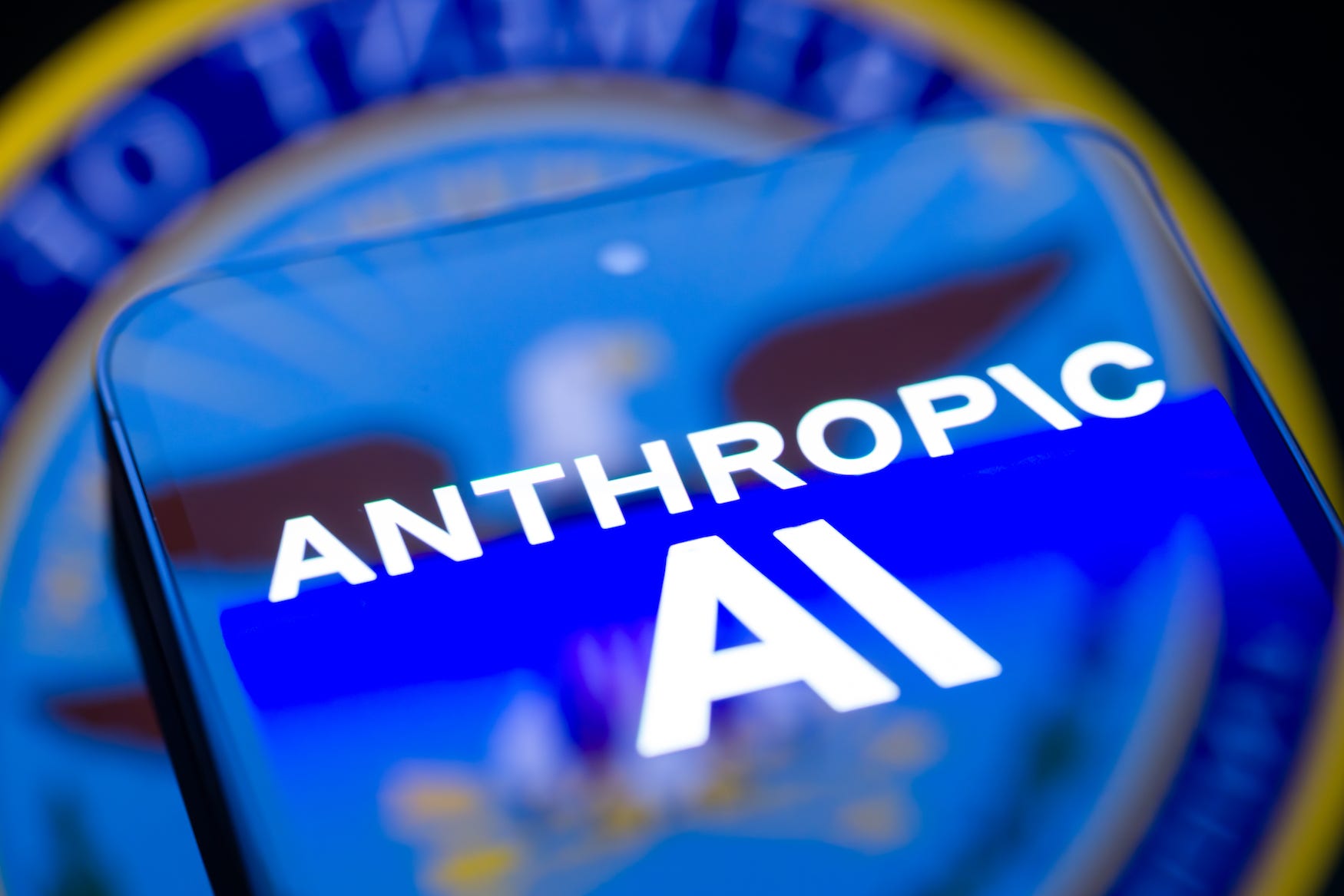
The Pentagon appeared to quickly retreat in court on Tuesday from its declaration blacklisting artificial intelligence giant Anthropic from relationships with other agencies and military contractors.
On Feb. 27, Defense Secretary Pete Hegseth declared Anthropic a “supply-chain risk,” sparking a federal lawsuit stating that the action threatened to “destroy” billions of dollars of the company’s value. His order stated: “Effective immediately, no contractor, supplier, or partner that does business with the United States military may conduct any commercial activity with Anthropic.”
Justice Department attorney Eric Hamilton suggested that this secondary boycott described in the sentence had no legal effect, but a federal judge questioned whether the government’s latest litigation position was a gambit to avoid a ruling blocking Hegseth’s actions on First Amendment and other grounds.
‘Corporate Murder’
U.S. District Judge Rita Lin signaled from the outset of the hearing that she doubted the Pentagon’s actions were legal.
“What is troubling to me about these reactions is that they don’t seem to be tailored to the national security concern,” she said in her introductory remarks.
Referring to an amicus brief likening it to “corporate murder,” Lin said: “I don’t know if it’s murder but it looks like an attempt to cripple Anthropic.”
The Pentagon and Anthropic have butted heads about restrictions on its signature product: Claude couldn’t be used for lethal autonomous warfare or mass surveillance. The first condition meant that human beings must select weapons and targets. Hegseth demanded the ability to unleash Claude for “all legal uses” on the pain of hobbling the company’s relationship with any company that contracts with the U.S. military.
Donald Trump and Hegseth personally attacked Anthropic’s CEO Dario Amodei when the company refused. Hegseth called Amodie a “liar” with a “God complex,” and Trump labeled Anthropic a “RADICAL LEFT, WOKE COMPANY” filled with “Leftwing nut jobs.”
From the outset, Judge Lin said that Hegseth has the discretion to decide the Defense Department’s business relationships and policies, and she didn’t believe the case to be about the wisdom of autonomous warfare. She said that she had to decide whether the Pentagon’s actions amounted to unlawful retaliation.
When the government backtracked about the effect of Hegseth’s order, Judge Lin pointedly asked: “What prevents the [Department of Defense] from changing its mind about how this sentence operates?”
Hamilton said that the government “will of course take action to mitigate the risk” of Anthropic.
‘Less intrusive measures’
Even before the hearing, Judge Lin signaled that the phrase “supply-chain risk” didn’t seem to fit Anthropic.
“The term ‘supply chain risk’ means ‘the risk that an adversary may sabotage, maliciously introduce unwanted function, or otherwise subvert’ the operation of the Department’s national security systems,” Lin wrote, noting that adversaries typically denote “domestic terrorists and other non-foreign hostile actors.”
She made that observation in a written notice of some of her questions preceding the hearing.
“What evidence in the record shows that Anthropic had ongoing access to or control over Claude after delivering it to the government, such that Anthropic could engage in such acts of sabotage or subversion?” she asked.
Judge Lin also noted that the law required the Pentagon to notify congressional committees about any supply-chain risk designations and discuss any “less intrusive measures” which are available.
That didn’t happen.
Anthropic retained a law firm deeply familiar with the consequences of Trump 2.0-era retaliation: WilmerHale, one of the white shoe law firms that successfully fought back Trump’s executive orders singling them out for retribution because of their attorneys and clients.
WilmerHale partner Michael J. Mongan ridiculed the government’s attempt to “normalize” the supply-chain risk designation, an unprecedented action toward an American company.
“This is a fairly extraordinary authority,” Mongan said.
Rattling off Anthropic’s federal government relationships that are now imperiled, Mongan listed the Office of Personnel Management, Nuclear Regulatory Commission, Social Security Administration, Securities and Exchange Commission, Federal Reserve, and National Endowment for the Arts.
Judge Lin gave Anthropic until the close of business today to submit a sworn declaration about those contracts. The Justice Department has until Wednesday to file evidence to the contrary. She said that she anticipates entering an order in the “next few days.”
Editorial note: Although the lawsuit is captioned Anthropic v. Department of War, this article calls the agency the Department of Defense, the only name authorized by Congress.
I truly appreciate that you called DoD by its actual, legal name here. So much of the frustrating insanity of our era is seeing mainstream people and institutions - including the media - telling us in one way or another that the Emperor is fully clothed. Thank you for stripping away the BS.
Yep. I was in the court room.