


Firsthand, fact-based, and comprehensive coverage of the cases that shape U.S. democracy.
For the last 90 years, the Supreme Court’s precedent of Humphrey’s Executor protected independent government agencies from interference by any U.S. president, creating a bulwark in the constitutional separation of powers.
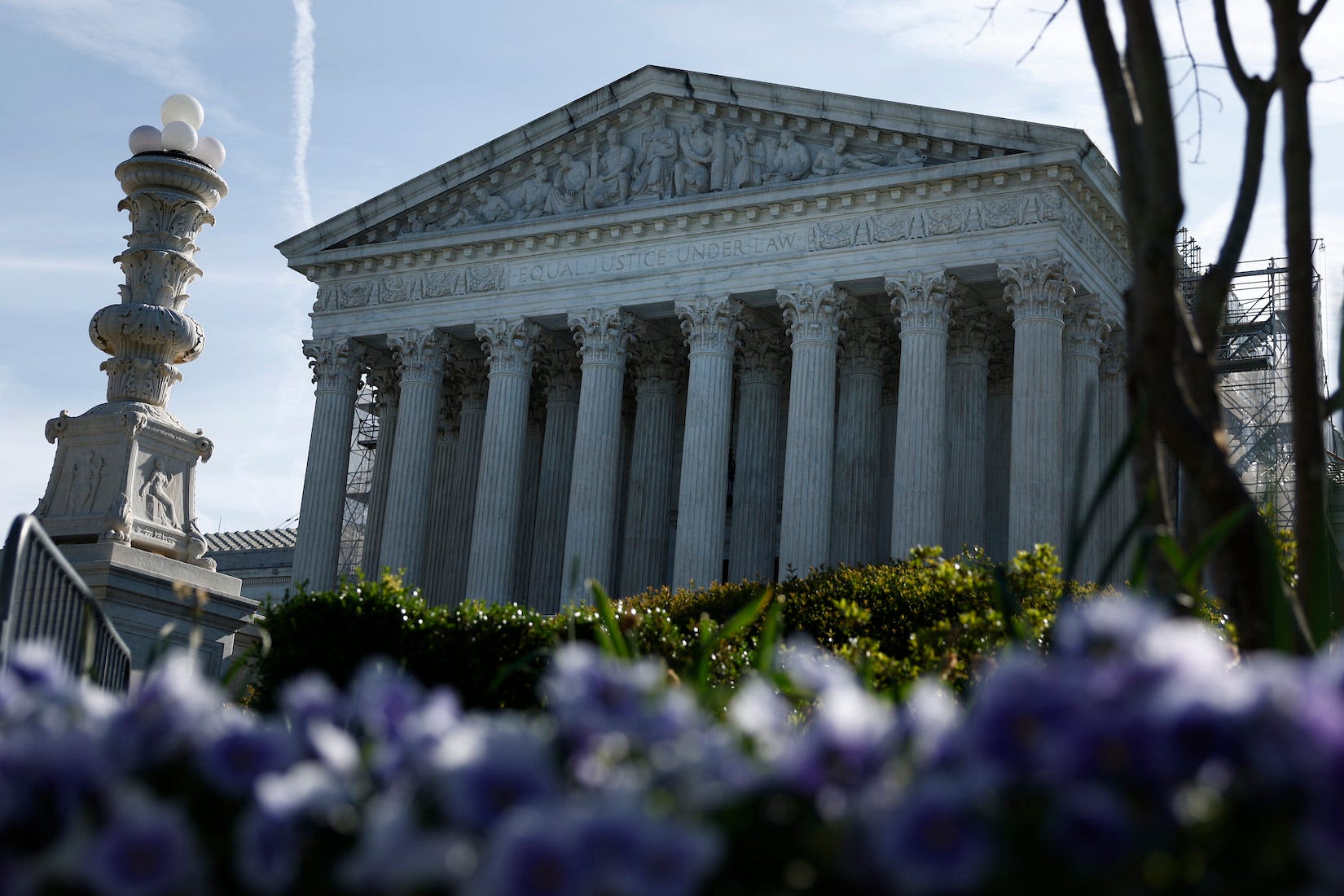
On Monday, the Roberts Court will hear oral arguments in the case that will almost certainly overturn it: Trump v. Slaughter, a direct challenge to the 1935 precedent.
The outcome isn’t too hard to predict: On Sept. 22, the Roberts Court issued an emergency docket decision allowing Donald Trump to fire the Federal Trade Commissioner Rebecca Slaughter. The FTC is the same agency whose structural independence the Supreme Court ensured in Humphrey’s Executor nearly a century ago.
In a dissent, Justice Elena Kagan commented at the time that her conservative colleagues appear to be “raring” to overturn Humphrey’s Executor.
“But until the deed is done, Humphrey’s controls, and prevents the majority from giving the President the unlimited removal power Congress denied him,” Kagan wrote. “Because the majority’s stay does just that, I respectfully dissent. Our emergency docket should never be used, as it has been this year, to permit what our own precedent bars. Still more, it should not be used, as it also has been, to transfer government authority from Congress to the President, and thus to reshape the nation’s separation of powers.”
Here’s how Kagan described the reshaping that the Supreme Court gave the green light to in September: The stay allowed Trump to remove “any member he wishes, for any reason or no reason at all” and “extinguish the agencies’ bipartisanship and independence.”
While the Humphrey’s precedent appears to be headed for the Slaughter, it remains to be seen just how much power they will hand Trump and every other president to purge the government. The Roberts Court also certified a question about whether “a federal court may prevent a person’s removal from public office, either through relief at equity or at law.”
A “no” answer to that question could be a sweeping blow for civil service protections and agency independence.
Trump’s Justice Department has been flailing in its efforts to revive the cases against James Comey and Letitia James.
After the second attempt to prosecute Attorney General James collapsed with a grand jury’s no-true-bill, a federal judge hobbled efforts to revive the case against Comey in the cradle.
Late on Saturday night, a federal judge blocked the government from using evidence seized from Comey’s friend and former legal advisor Daniel Richman.
U.S. District Judge Colleen Kollar-Kotelly found that Richman would likely succeed in proving that prosecutors “violated his Fourth Amendment right against unreasonable searches and seizures by retaining a complete copy of all files on his personal computer (an ‘image’ of the computer) and searching that image without a warrant.”
The judge also laid out a quick schedule for a ruling on a temporary restraining order to be decided by Friday. Read her four-page order here.
Every Sunday, this newsletter previews the most significant legal battles playing out in the courts, along with information about protests and other forms of civic engagement, for “Rising This Week.”
To support this work and unlock full access, consider becoming a paid subscriber of All Rise News if you aren’t one already. Find out more about upcoming live coverage below.
Below the paywall:
Wisconsin braces for jury selection in the case of Judge Hannah Dugan. Luigi Mangione’s evidentiary hearing continues, and Congress hears from callers about Pete Hegseth.
