


Dive deeper into the stories that matter.
The Southern Poverty Law Center struck back against its “irregular” and “unprecedented” prosecution on Tuesday, filing a pair of motions shedding new light into how its now-shuttered informant program benefited their federal law enforcement partners.
In one of the filings, the SPLC revealed that they handed the FBI a dossier of the extremists expected to show up at the 2017 Unite the Right rally in Charlottesville, including their names, photographs, associations, criminal histories and “weapons of choice.”
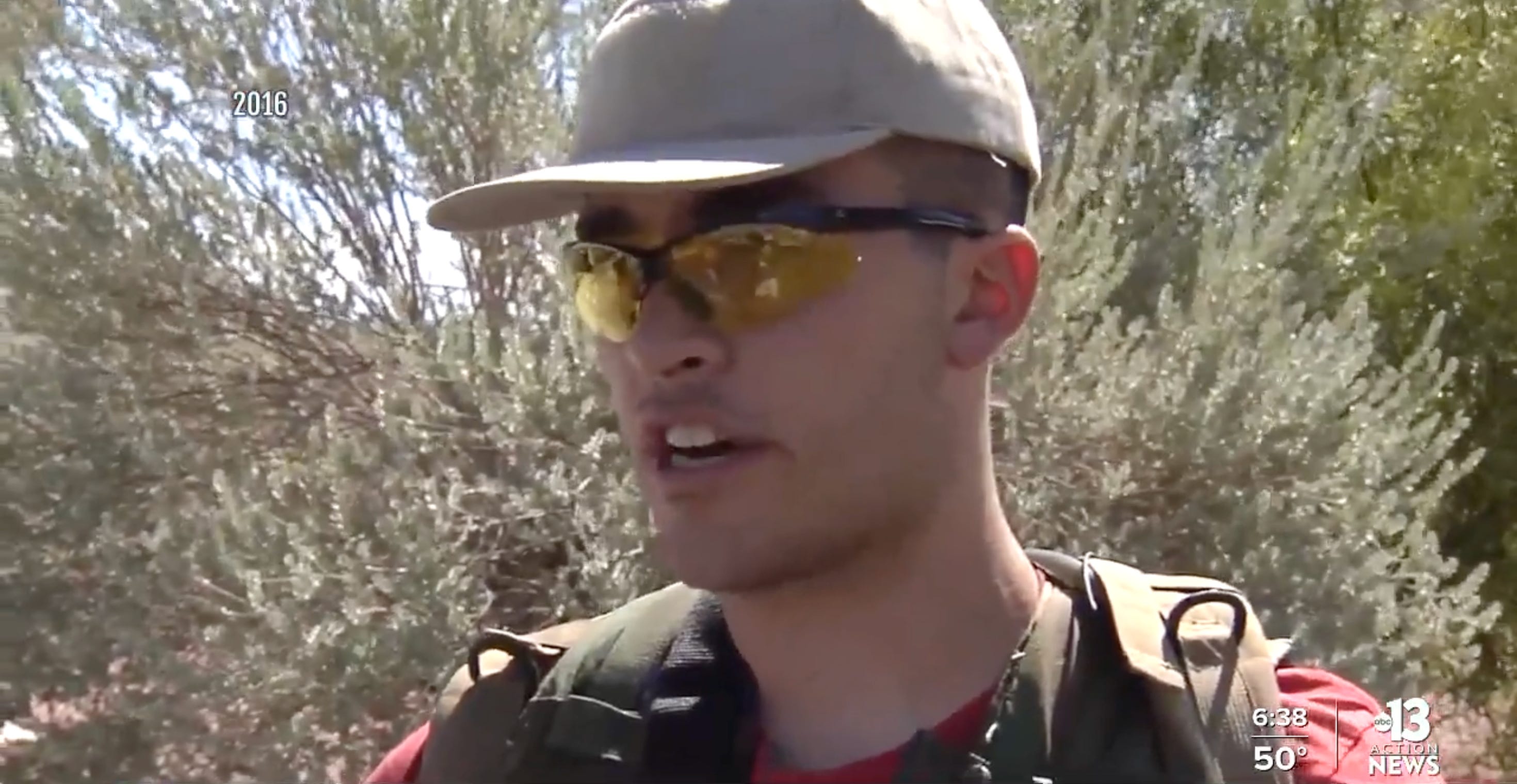
In the other, the SPLC said that informant-gathering information led to a tip that a young neo-Nazi had been planning a “major terrorist attack” targeting a Las Vegas synagogue and gay bar.
That extremist, as revealed in a footnote of the filing, was Conor Climo, who would later plead guilty to possessing bomb components and serve a two-year sentence.
On Tuesday, the SPLC cited these examples of the fruits of their informant program to persuade a federal judge to open the grand jury transcripts in light of the “manifest risk of prosecutorial misconduct.” The civil rights group also asked a federal judge to block the Trump administration from making any more “materially false” and prejudicial statements.
‘We didn’t know’
Since indicting the SPLC last week, Donald Trump and his top surrogates have waged an unrelenting media campaign to vilify the civil rights group.
Some of the figures taking televised swipes at the SPLC before the trial included Trump, White House Press Secretary Karoline Leavitt, FBI Director Kash Patel and Acting Attorney General Todd Blanche.
In an interview with Laura Ingraham, Blanche suggested that the SPLC didn’t share information that they learned from informants with federal law enforcement.
“There’s no information that we have that suggests that the money they were paying to these informants and these members of these organizations, they then turned around and shared what they learned with law enforcement,” Blanche said. “To the contrary, or else we would have known, from their own words, that they had given this money to these guys. And we didn’t know.”
The SPLC says that was “false,” and Blanche should have known that because the organization shared information about its law enforcement cooperation with prosecutors.
“The SPLC used the informant program to gather voluminous and detailed information about the risk of violence at Charlottesville,” the group’s motion states. “That information was memorialized and provided to law enforcement, including to the FBI’s Mobile, Alabama office—the very office leading the investigation of this case—in advance of the rally in the form of a 45-page ‘Event Alert.’”
Since last week, Trump and his surrogates have spread a baseless conspiracy theory that the 2017 Charlottesville hate rally was a “hoax” manufactured by the SPLC. Prosecutors do not allege anything close to those claims in their indictment.
The SPLC said that prosecutors, in fact, should have known that the “Event Alert” sourced from the informant’s information provided federal law enforcement with dossiers on the white supremacists attending the rally.
“That document warned the FBI of the specific individuals likely to attend the rally and foment violence, providing not only names and pictures, but specific details about associates, backgrounds, and criminal histories,” the motion states. “For some of the individuals identified in this Event Alert, the SPLC even provided details about those individuals’ weapons of choice based on intelligence gathered through the informant program.”
‘A mass terror attack’
Toward the end of Donald Trump’s first term, the SPLC had information about a young neo-Nazi associated with the Atomwaffen Division, known for planning terrorist attacks.
In 2019, the SPLC says that it told federal law enforcement that the individual “intended to engage in a major terrorist attack against Las Vegas citizens,” according to the new filing.
The SPLC was right.
The following year, the Justice Department released a press release announcing Climo’s guilty plea. Climo, who was then 23, admitted that he discussed setting fire to a synagogue and surveilling an LGBTQ bar in Las Vegas.
Citing court documents, the SPLC says that Climo came close to “executing a mass terror attack.”
“FBI Special Agent Bomb Technician (SABT) Anthony Telenko located a bottle of ‘Pot Perm Plus’ Potassium Permanganate, which can be used as a strong oxidizing agent, on the top shelf of [Individual B’s] bedroom closet,” authorities wrote at the time. “Also located on the closet shelf were separate jars of thermite, sulfuric acid and lithium aluminum hydride, which can be used as fuels.”
The agent said that he also found electronic items in Climo’s bedroom “consistent with items needed” to build an improvised explosive device (IED).
The SPLC also wrote that information uncovered through their informant program led to the prosecution of “Individual A,” who sought a security clearance in connection with his employment with the Philadelphia Navy Yard in 2018.
According to the new filings, there is “no uncertainty” that the SPLC informant’s information led to this person’s detection, indictment, conviction and imprisonment.
The SPLC seeks an order directing the government to “retract the false and unfairly prejudicial” statements and “refrain from making any further false or otherwise prejudicial statements that compromise the SPLC’s fair trial rights.”
“These repeated, false, and prejudicial remarks by the Administration’s most senior officials not only violate Justice Department norms and long-held principles of federal prosecution, but they illustrate, among other things, the stunning and blatant irregularity, politicization, and manifest risk of prosecutorial misconduct in this case,” the group’s attorneys Addy Schmitt and Abbe Lowell wrote in their filing.
U.S. Magistrate Judge Kelly Fitzgerald Pate ordered prosecutors to respond by May 5.
The Justice Department didn’t respond to an email requesting comment.
Read the filings here and here.
Thanks, Adam. I am following this like a hawk. My SPLC annual membership renewal goes out this week. I stand by everything they stand for, and their many, many programs and services.
Great reporting.
Presumably, the “now-shuttered informant program” will be revived sooner than later. ?
Can Tod “I saw nothing when clearly he did” Blanche be sued for defamation?