


Shortly after the hearing, All Rise News will provide live video coverage outside the courthouse. Subscribe now for an alert for the live-stream — and an archived video if you missed it.
Under heavy pressure from a federal judge, prosecutors agreed on Thursday to unilaterally withdraw subpoenas issued to New York Times reporters.
The move followed sharp grilling about prosecutors’ actions to uncover the sources of the paper’s investigative reporting into vulnerabilities of the airplane the Qatari government gifted to Donald Trump. The government called the subpoenas to reporters’ family members a “mistake.”
U.S. District Judge Arun Subramanian came in hot at the start of Thursday’s hearing, indicating the government failed the Second Circuit’s test in New York Times Co. v. Gonzales.
Subramanian gave prosecutors two options: Withdraw the subpoenas, or he would quash them.
“Is the government willing to withdraw the subpoenas?” he pressed.
After initially refusing to withdraw the subpoenas, prosecutors relented roughly an hour into the hearing.
‘Overwhelming evidence of bad faith’
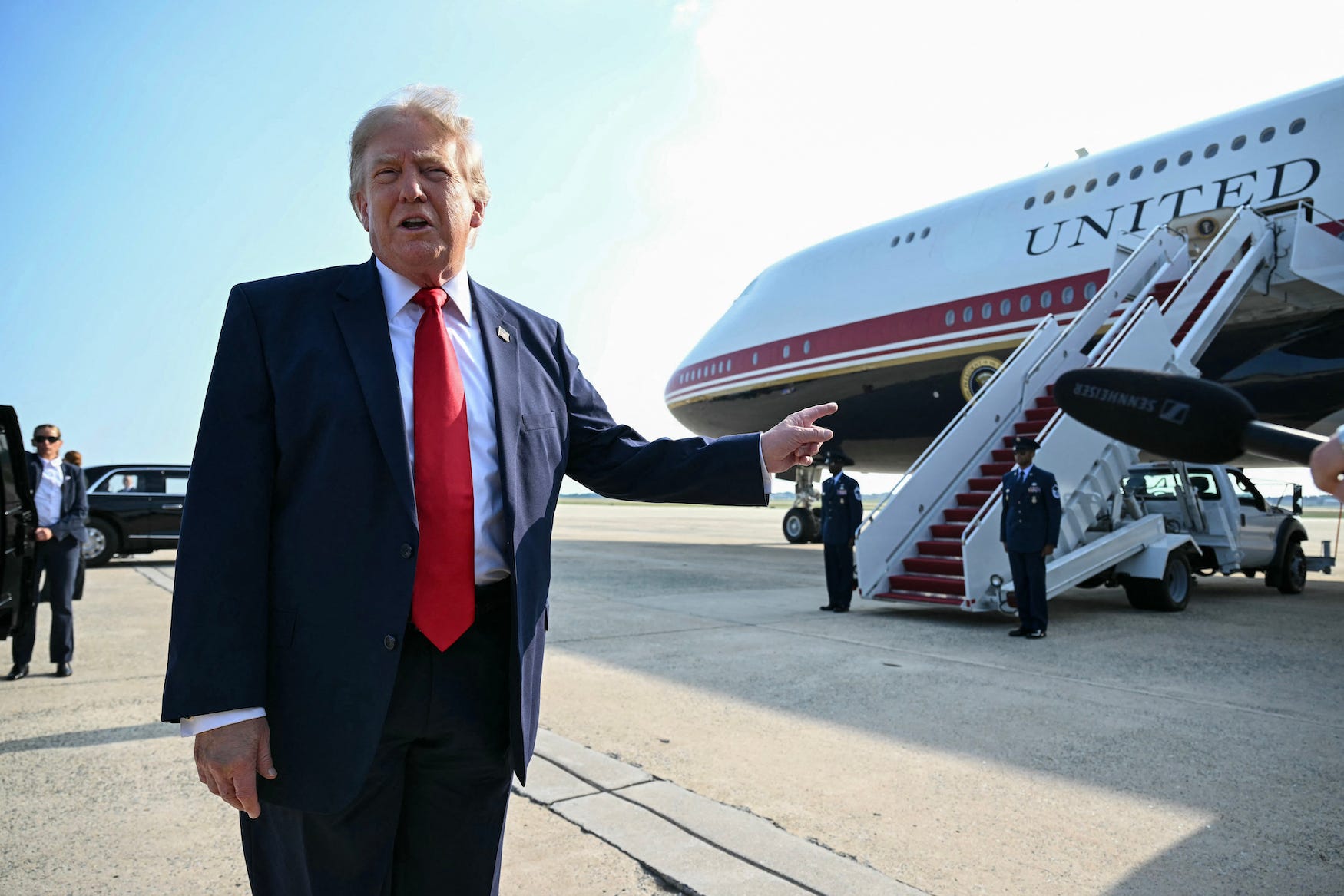
In a two-part series of articles, the Times uncovered that the U.S. Secret Service forced Trump to fly out of the Turkish capital of Ankara with Air Force One, rather than the Qatar-gifted Boeing 747-8 with which he planned to depart. The plane lacked the defensive components necessary to protect Trump in a country bordering Iran.
Trump later said that the plane would be “maxed out” with upgrades to make it suitable for Air Force One — costing taxpayers up to $1 billion.
Within a week of publication, Manhattan U.S. Attorney Jay Clayton — Trump’s nominee for Director of National Intelligence — signed subpoenas issued to six Times reporters behind those stories, one reporter’s mother, and two reporters’ spouses.
Attorney David O’Neil, who is representing the Times for the firm Debevoise & Plimpton, said that it was clear that the purpose had nothing to do with national security.
“The Government makes no effort to rebut — indeed it does not even acknowledge — the overwhelming evidence of bad faith, retaliatory animus, and harassment that pervades the record,” O’Neil wrote in a memo filed on the eve of the hearing.
Clayton’s senior counsel Sean Buckley claimed in an opposition brief that the “confidential grand jury investigation” implicated a “substantial national security concern.”
‘The last thing you do’
The Gonzales precedent that ultimately torpedoed the subpoenas is a ruling by the Second Circuit establishing a three-part test for issuing subpoenas to the news media, beginning with confirming that the information is “not obtainable from other sources.”
Subramanian noted that the government made no attempt to do that.
“Am I wrong that the regulations and cases like Gonzales say that subpoenas are not the first thing you do?” the judge asked Buckley. “They are the last thing you do.”
The Second Circuit is the federal appellate court with jurisdiction over the Southern District of New York, and it sits within the same complex of buildings.
Denouncing the subpoenas, the Freedom of the Press Foundation noted: “Even the Mafia says families are off limits.” Buckley said that prosecutors did not intend to involve the reporters’ relatives in the investigation.
“That was an error,” Buckley said. “It was a consequence of trying to move quickly.”
In a sworn application for a nondisclosure order dated July 14, a government official falsely claimed that the investigation wasn’t public and failed to disclose that the owners of the records that they were seeking were reporters.
After the government claimed that was an oversight, Subramanian invoked the possibility of considering sanctions “with respect to incorrect statements or misstatements.”
Prosecutors reconsidered their prior refusal to withdraw the subpoenas shortly after that. Subramanian made clear that he retains jurisdiction over any other matters related to the investigation and said that the government must present any attempt to renew those subpoenas to him before they are issued.
The judge requested briefing on the government’s “decision to seek a non-disclosure order,” “whether the application should or should not reference that the owners of the records were reporters,” and “whether and when notification of the third-party subpoenas should be given to the reporters.”
Thank you Adam. Was trying to follow along on Substack, so now it all makes sense. Crazy how no one is off limits to these people. Fuming here abt Jack Smith, but I think he’s more than ready to take them on. Anyway.. I digress.
Thanks Adam for your diligence in keeping us all up-to-date and well-informed on this important development in the DOJ’s decision to withdraw their subpoenas against the New York Times Reporters and members of their families instead of the Judge quashing them.