


All Rise News is reporting live from federal court for Kilmar Abrego Garcia’s latest hearing.
Look out for on-the-ground coverage of the proceedings later today.
The state of Alabama received the blessing of the Supreme Court’s conservative supermajority to try to revive maps repeatedly found to have illegally and unconstitutionally diluted Black voting power.
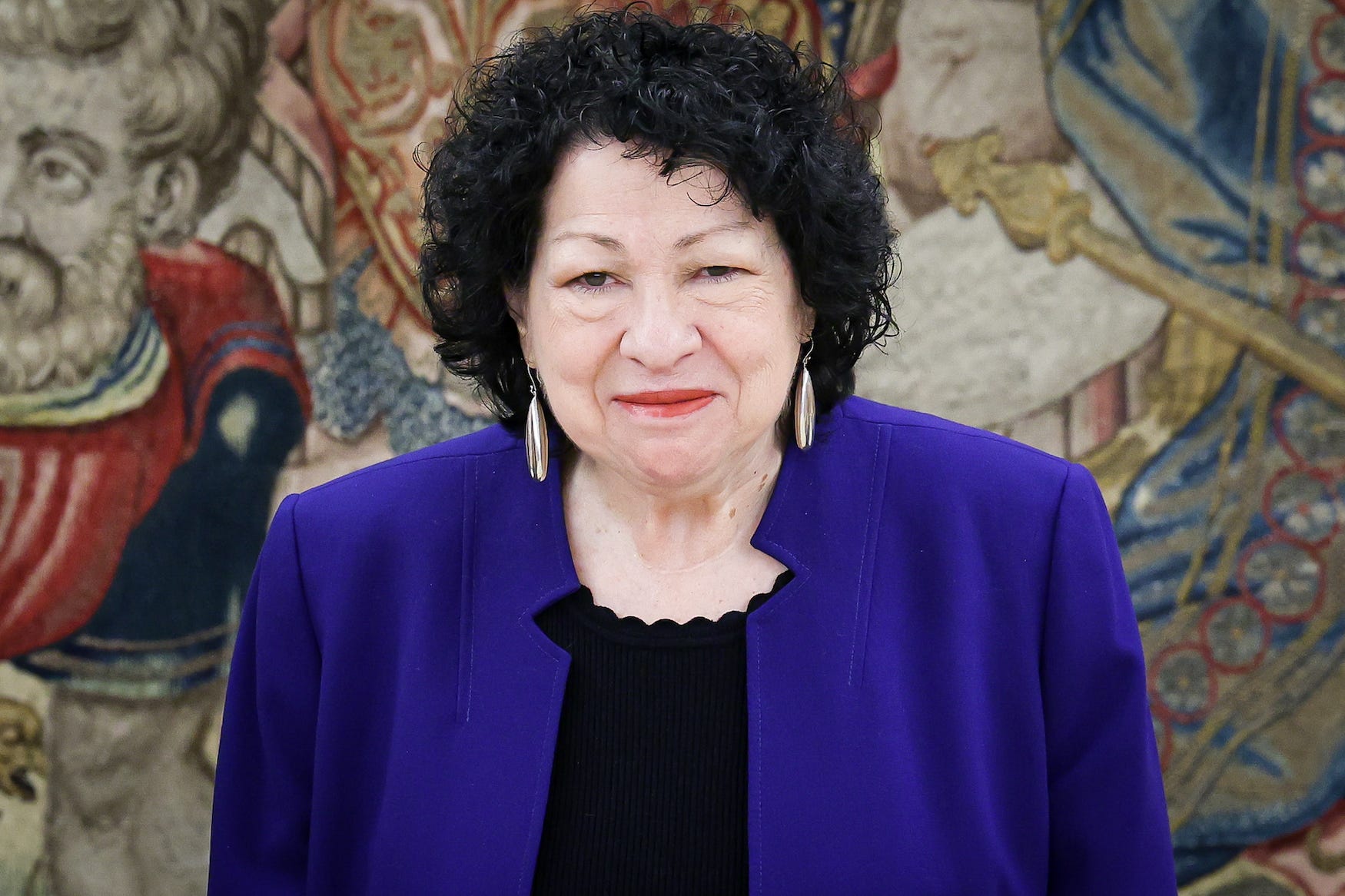
In a blistering dissent, Justice Sonia Sotomayor warned that the decision will “unleash chaos” and “confuse voters.”
Here’s the context behind that remark:
Alabama’s see-saw litigation
The Supreme Court’s order falls just three years after its ealier 5-4 decision to block Alabama’s redistricting plan.
In 2023, the Supreme Court agreed with a lower court ruling that Alabama’s maps intentionally diluted Black votes in violation of the Voting Rights Act and the 14th Amendment of the U.S. Constitution. That prior ruling upheld a requirement to create two so-called “opportunity districts” in Alabama, but the state defied that directive, drawing only one majority-minority district.
On remand, the District Court held a trial involving testimony from 51 witnesses and nearly 800 exhibits, leading to a blistering 268-page opinion and order permanently blocking Alabama’s redistricting plan.
“At the end of that trial, the District Court concluded ‘with great reluctance and dismay and even greater restraint’ that Alabama had not merely spurned the opportunity to remedy past discrimination, but in fact had intentionally violated the Fourteenth Amendment,” Sotomayor summarized.
In the wake of the Louisiana v. Callais decision, Alabama immediately moved to vacate the lower court’s ruling and restore the old maps, and the Supreme Court’s supermajority quickly granted that request on the cusp of the state’s congressional primary elections.
Sotomayor said that the ruling — and its timing — were both inappropriate. The Callais decision still allowed courts to block intentional racial discrimination in redistricting.
“Nothing in the District Court’s Fourteenth Amendment analysis is affected by this Court’s opinion in Callais,” she wrote.
In the Callais dissent, Justice Elena Kagan said that the court had turned the vestiges of the Voting Rights Act into a “dead letter” by imposing an intent standard that is hard to prove in most gerrymandering cases.
But the challengers of the Alabama maps repeatedly met this burden in court.
All in the timing
The Supreme Court’s ruling landed a week before Alabama’s congressional primary election, a fact that didn’t escape Sotomayor’s notice.
“Even if Callais had something to say about the evidence necessary to establish discriminatory intent, it still would not be appropriate to vacate the decision below at this time,” Sotomayor wrote. “That is because Alabama’s congressional primary election is next week, and vacating the District Court’s injunction will immediately replace the current map with Alabama’s 2023 Redistricting Plan until the District Court acts, even though voting has already begun.”
Thousands of Alabama voters already have cast absentee ballots.
“The Court today unceremoniously discards the District Court’s meticulously documented and supported discriminatory-intent finding and careful remedial order without any sound basis for doing so and without regard for the confusion that will surely ensue,” Sotomayor added in her conclusion.
Once the case returns to the Northern District of Alabama, a three-judge panel could agree with Sotomayor that the court’s “prior reasoning is unaffected” by Callais.
Read Sotomayor’s dissent here.
Thanks, Adam, for posting the summary and a link to the dissent. Doubtful that the 3judges will adopt Sotomayor’s reasoning. Maybe we need to have Freedom Riders again - 60+ years later.